The internet has made research faster, but it has not made every source trustworthy. A polished webpage can contain outdated claims, incomplete context, or outright errors, while a modest-looking document may provide careful, well-supported reporting. Evaluating online information therefore requires more than scanning a headline or trusting a familiar design. Readers need a practical method for judging evidence, authorship, and relevance.
Start With the Source
The first question is who published the material. Government agencies, universities, professional organizations, newsrooms, and established research institutions often provide identifiable editorial or review processes. That does not guarantee perfection, but it gives readers a basis for assessing accountability.
Anonymous pages deserve additional scrutiny, particularly when they make strong claims about health, finance, science, or public policy. Look for an author’s name, professional background, contact information, and a clear explanation of the organization behind the publication. A source that hides its ownership or offers no way to distinguish reporting from opinion should not be treated as authoritative without independent confirmation.
Examine the Evidence
Reliable information usually explains how its conclusions were reached. Research-based content should identify studies, datasets, official records, interviews, or other supporting material. Readers should also check whether the cited evidence actually supports the claim being made. A reference to a study is not enough if the study examined a different population, measured a different outcome, or reached a more limited conclusion.
Links themselves can provide useful clues about transparency. A plainly labeled destination, including test, should still be assessed by its surrounding context, purpose, and relationship to the claim. The presence of a link does not prove that the linked material is relevant or credible. It is the reader’s responsibility to follow the evidence trail and inspect the original source whenever practical.
Check Dates and Context
Online information can remain visible long after it has become outdated. Check the publication date, the date of the latest revision, and whether the subject changes rapidly. A five-year-old explanation of a historical event may remain useful, while a five-year-old account of cybersecurity guidance, medical treatment, or economic data may be seriously incomplete.
Context matters just as much as timing. Headlines are often shortened for impact, and excerpts can omit important qualifications. Read beyond the opening paragraphs and determine whether the wording distinguishes established findings from estimates, forecasts, or disputed interpretations. Statistics should be considered alongside their timeframe, sample size, definitions, and comparison group.
Compare Independent Sources
One source can be mistaken, even when it appears professional. Comparing several independent sources helps reveal agreement, uncertainty, and unresolved disputes. Independence is important: ten pages repeating the same press release do not provide ten separate confirmations.
When sources disagree, identify the reason rather than simply counting opinions. They may use different data, definitions, or standards of proof. A credible account will normally acknowledge meaningful limitations instead of presenting a complex issue as settled by a single dramatic fact.
Recognize Persuasive Techniques
Language can signal that a page is designed to persuade rather than inform. Excessive certainty, emotional appeals, personal attacks, and claims of secret knowledge should prompt caution. So should urgent demands to share material immediately or statements that portray every contrary source as part of a coordinated conspiracy.
Commercial incentives also deserve attention. Advertising, affiliate arrangements, fundraising, and political sponsorship do not automatically invalidate content, but they may influence what is emphasized or omitted. A transparent disclosure allows readers to account for that influence when weighing the material.
Build a Sustainable Reading Habit
Good online research is not a search for a source that confirms an existing view. It is a process of asking precise questions, tracing claims to primary evidence, checking dates, and remaining willing to revise an opinion. Saving reliable references, recording why they were considered credible, and returning to original documents can make future research more efficient.
In an environment filled with rapid updates and persuasive presentation, careful reading remains a valuable safeguard. No single test can establish whether information is dependable, but source awareness, evidence checking, contextual reading, and comparison together provide a strong foundation for sound judgment.


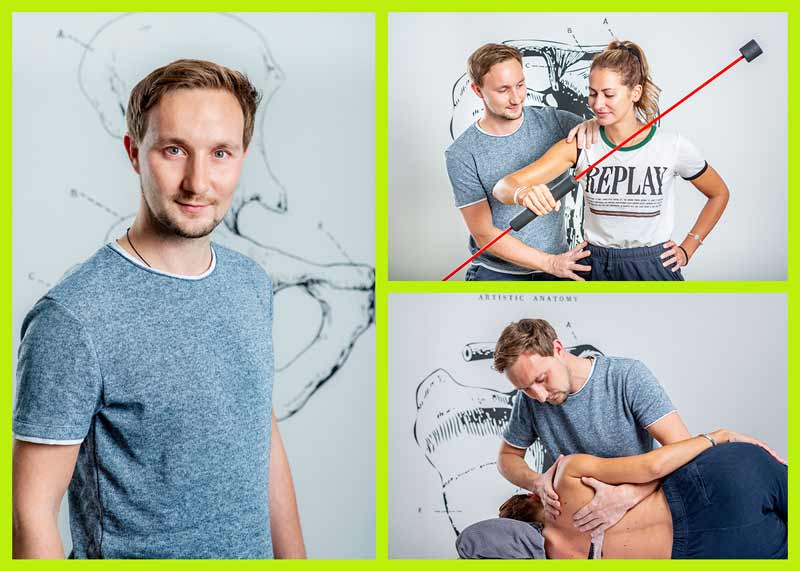
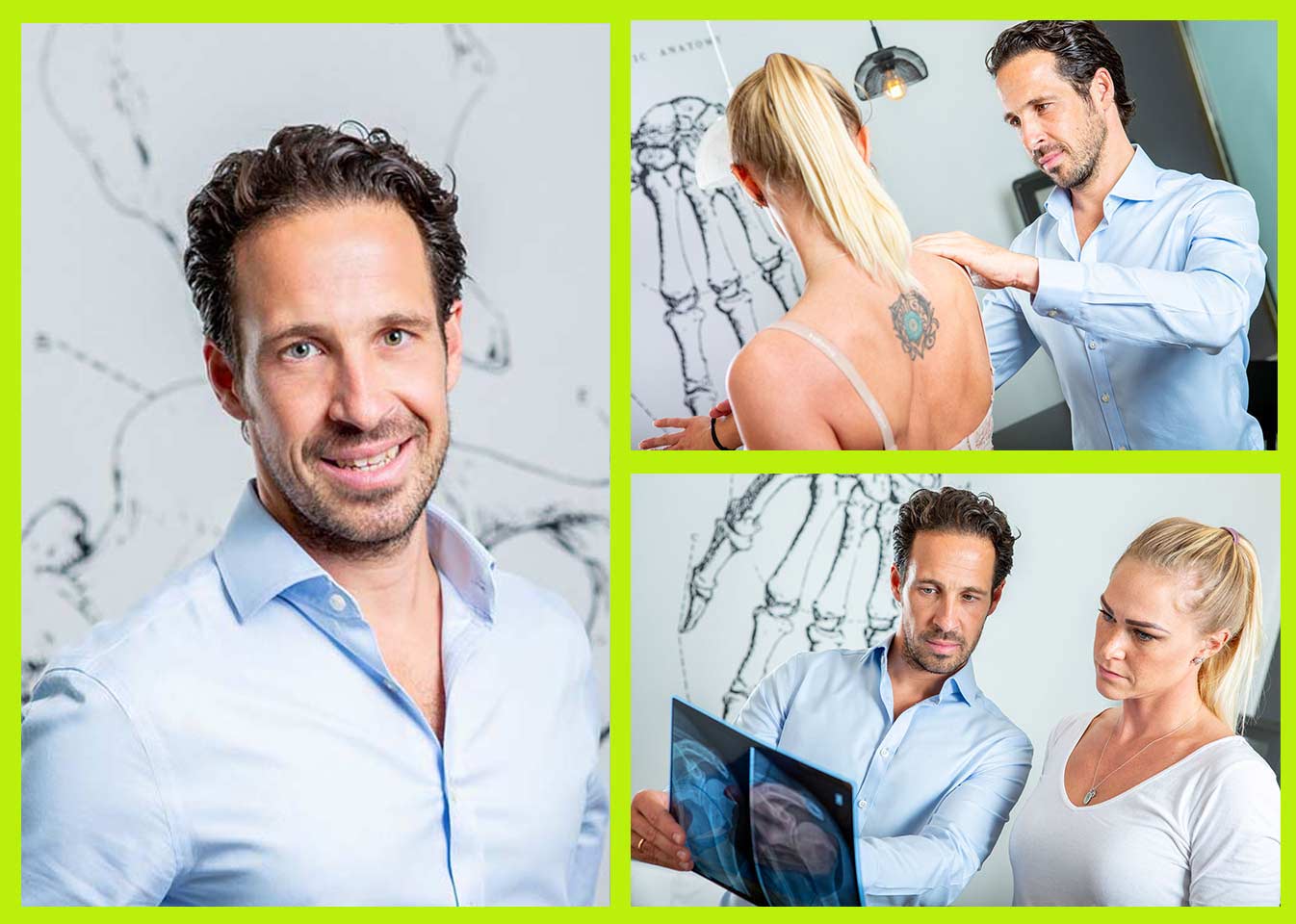
 Als Mitglied des AGA Ellbogenkomitees, der Sektion Ellbogen- Schulter der ÖGOuT, ÖGH, DVSE und durch regelmäßige Vorträge an nationalen und internationalen Kongressen, ist Frau Dr. Sandra Stenicka auf dem wissenschaftlich neuesten Stand der konservativen und operativen Behandlung von Gelenksverletzungen und degenerativen Erkrankungen des Bewegungsapparates.
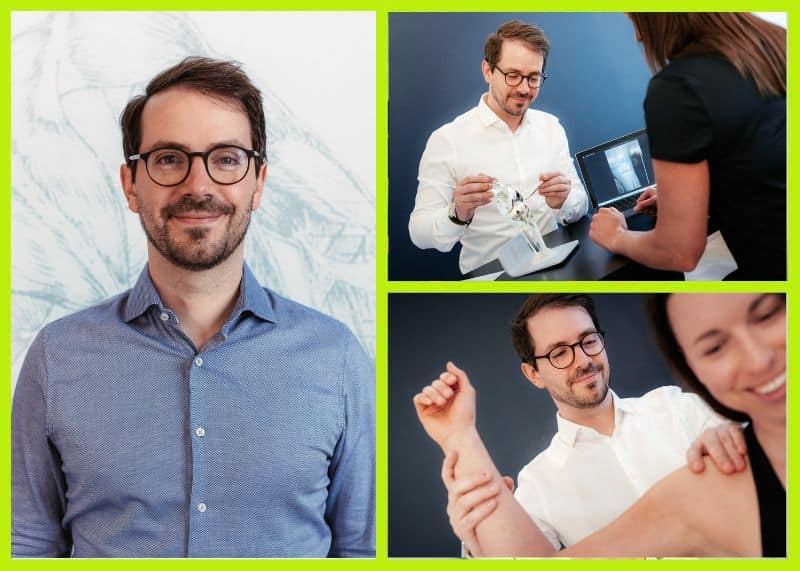 Sein Hauptfokus liegt auf der rekonstruktiven sowie der endoprothetischen Versorgung (Einsetzen von Kunstgelenken) der großen Gelenke.
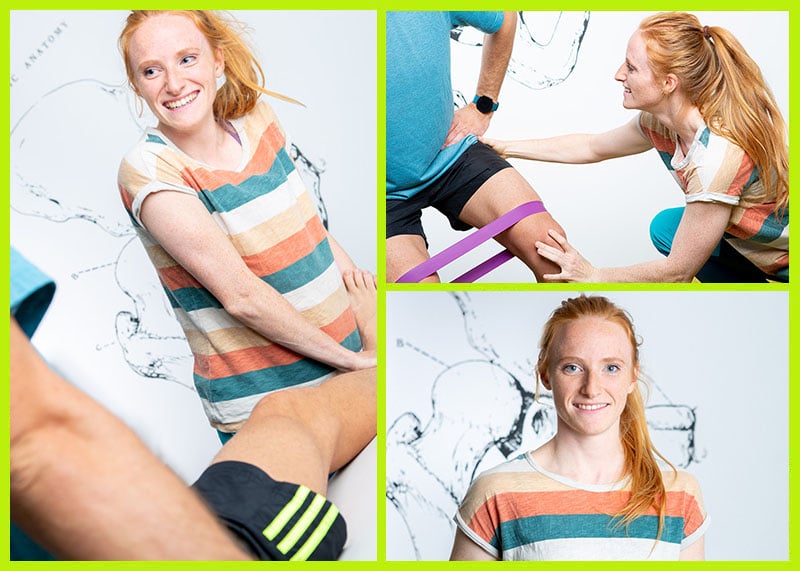
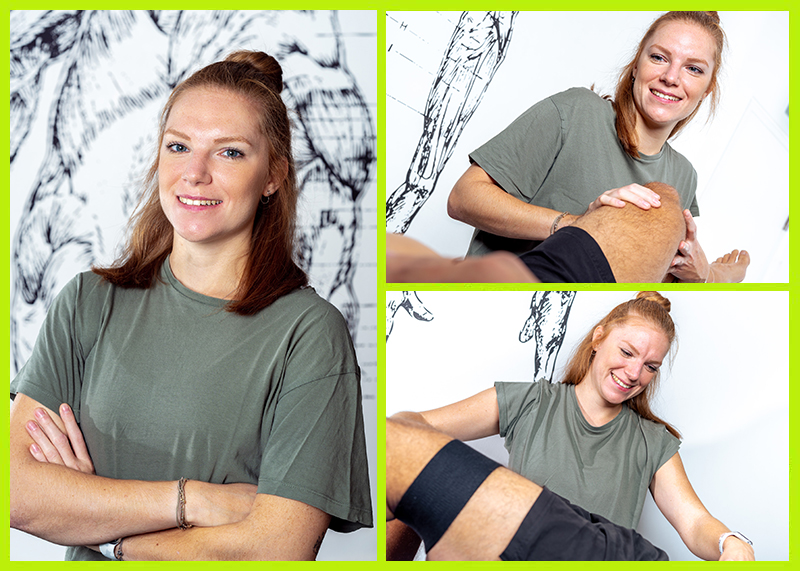
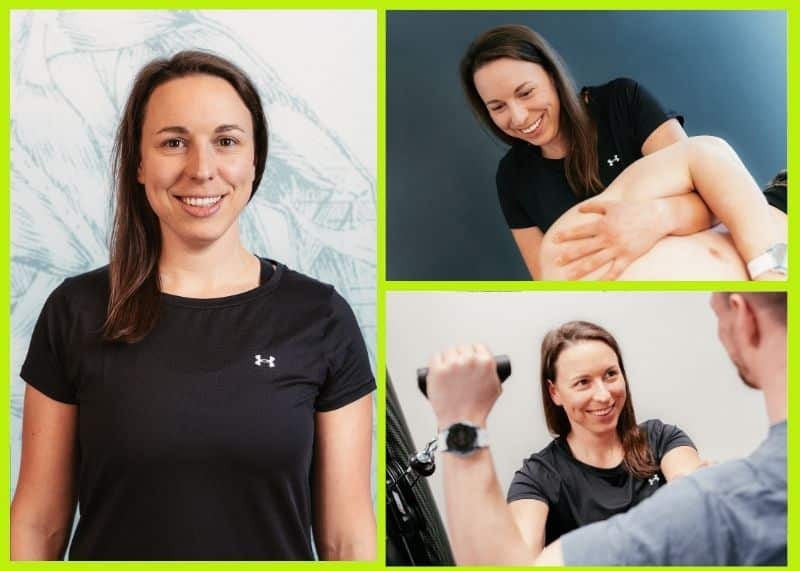 Nach einer ausführlichen Anamnese und der gemeinsamen Zielsetzung versucht sie die bestmöglich Betreuung zu bieten. Die eigene sportlichen Erfahrungen, Empathie sowie die Mischung aus aktiven und passiven Maßnahmen sind dabei Werkzeuge und Hilfsmittel der Wahl. Wieder zurück in Wien arbeitete die motivierte Physiotherapeutin die letzten drei Jahre bereits selbstständig in einer Gemeinschaftspraxis, in der sich eine Spezialisierung auf das Schultergelenk entwickelte. Durch die internationale Fortbildung bei der Schulterspezialistin Ann Cools 2022/23 wurde dieser Fokus noch zusätzlich aufgewertet. Trotzdem mag sie die Abwechslung und setzt ihr Wissen aus der Impuls Sportphysiotherapie Ausbildung gerne bei anderen Problemen ein und freut sich auf die kleinen und großen Herausforderungen der Therapie.
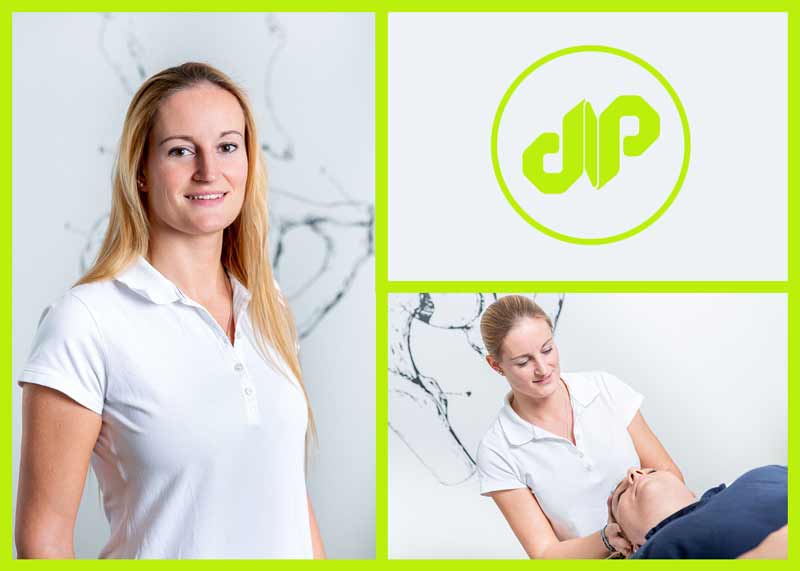
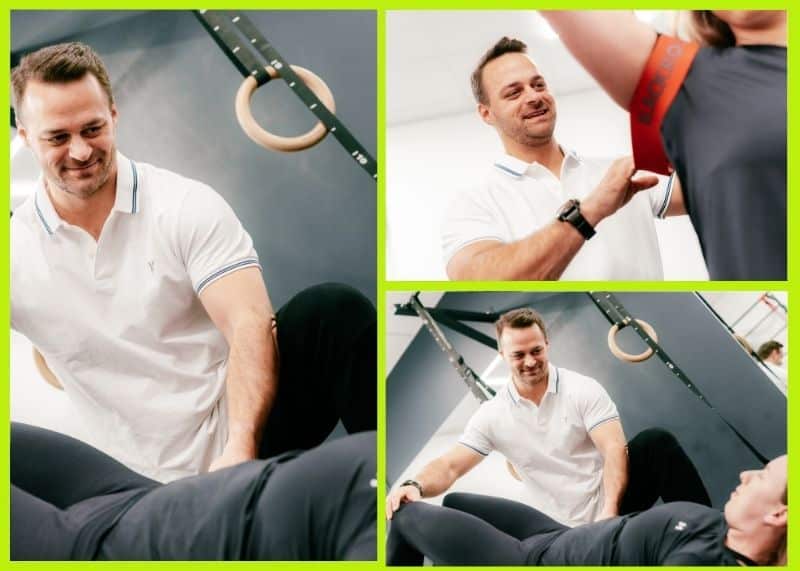 Hierzu kamen verschiedene manuelle Fortbildungen nach dem Cyriax Konzept, evidenzbasierten Behandlungen im Bereich der Traumatologie, einer Ausbildung zum Podologen und einem Master-Studium in England im Bereich „Ergonomics and Human Factors“.
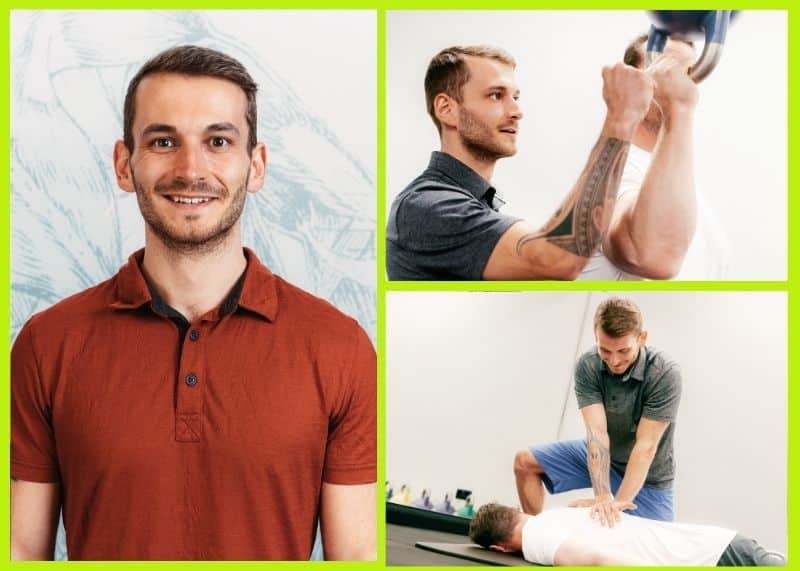 Aufgrund dieser Vernetzung gelingt es mir zusammen mit dir die Ursache der Einschränkungen deines Körpers zu finden und dies mit Hilfe aktiver Trainingsmethoden, manueller Therapie und der Arbeit mit deinen Organen (viszerale Manipulation) deinen Körper un d seine Systeme wieder in Einklang zu bringen. Um dies zu erreichen, steht die Verbesserung deines Gespürs und der Wahrnehmung deines Körpers, sowie die Arbeit mit der Atmung und damit des sympathischen und parasympathischen Nervensystems im Vordergrund. Auch im Zuge von Vorbereitungen auf einen Wettkampf oder bei der Optimierung deines Trainings, bin ich ein zuverlässiger Begleiter, egal ob im Kampf –, Extrem –, Ball –, Team –, Outdoorsport oder auch für einen Check Up.
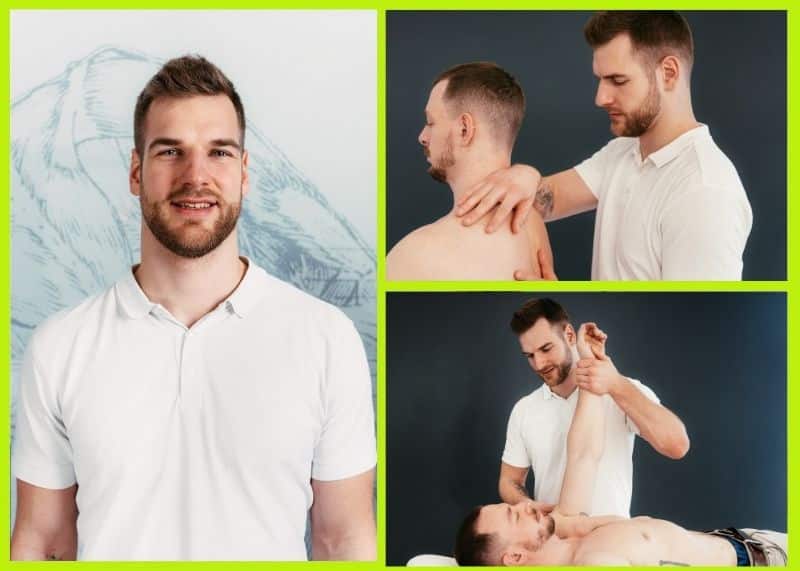 Verletzungsbedingte Sportpausen weckten früh sein Interesse für die

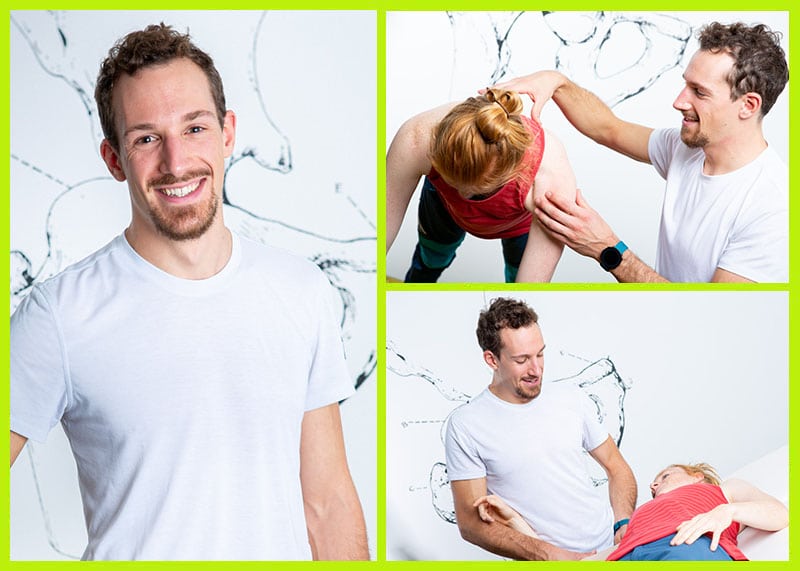
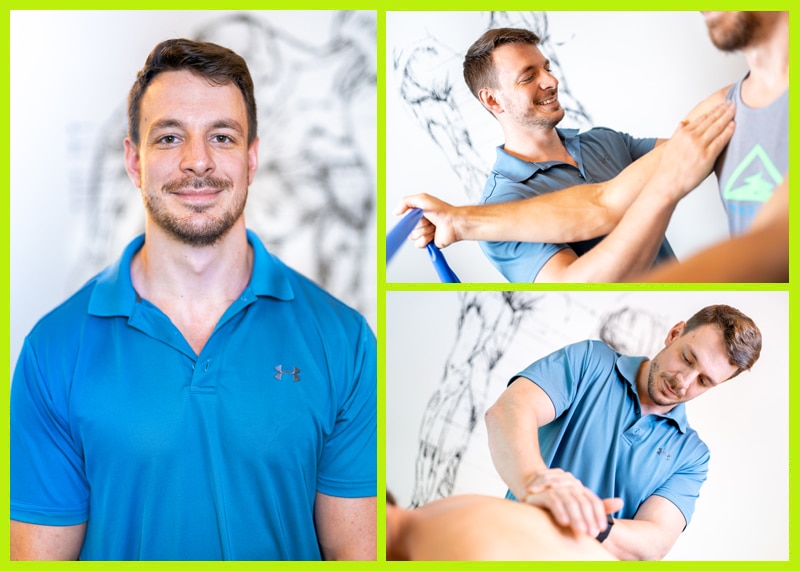 Um sein erlerntes Wissen, durch Fortbildungen im Bereich der Sportphysiotherapie, Manualtherapie (Cyriax, Mulligan) und (Cyriax, Mulligan, FDM, Flossing), besser einsetzen zu können, war die Entscheidung zur nebenberufliche Selbstständigkeit ein logischer nächster Schritt.
 Seit Ende 2018 ist Gregor nun auch schon freiberuflich als Physiotherrapeut tätig.